

Key Takeaways:
Here’s a quick overview of what parents should know about Neurofibromatosis Type 1 symptoms at different ages:
- Neurofibromatosis Type 1 may vary from child to child.
- Some symptoms may appear early in life, while others may appear later.
- Skin changes, freckling, learning difficulties, vision problems, and bone deformities may develop.
- Most Neurofibromatosis type 1 tumours are noncancerous, but it’s important to watch for changes.
- Parents should consult a doctor if their child has rapid growth, pain, weakness, numbness, a change in walking, bowel or bladder changes, or vision problems.
It often begins with a nagging feeling. Why does my child have so many brown spots? Why is he failing at school, even though he tries? That uneasy feeling—in the waiting room or late at night in front of the computer—is not uncommon.
Neurofibromatosis type 1 is a genetic disorder that occurs in about 1 in 2500 people. It leads to tumours growing on nerves and can affect the skin, brain, and bones. The challenge for families is that the symptoms of Neurofibromatosis type 1 differ for each individual, even within a family.
This guide explains the symptoms you might see at each stage of your child’s development, what to worry about, and where to turn for help. This article is for informational purposes only and should not be substituted for medical advice.
Why Symptoms Look Different at Every Age
There is no one Neurofibromatosis type 1 story. Children are diagnosed in infancy. Some are diagnosed when an eye test turns up an anomaly. Or a parent may even come to learn that they have it after their child is diagnosed.
A combination of clinical, genetic, and MRI scans evaluates the signs of Neurofibromatosis type 1. No single symptom is diagnostic, and it may take some time. That’s hard to deal with.
The key thing to keep in mind is that it’s a variable condition. People with Neurofibromatosis live rich lives. Knowing what is possible—rather than the worst—is better for all families.
What Are the First Signs of Neurofibromatosis Type 1 in Babies and Toddlers?
For many families, the first signs are noticed during a bath or a visit to the doctor’s office—something on the skin that just doesn’t look right. The early signs of Neurofibromatosis type 1 in children may appear at birth or in the first few years of life. Seeing them is a cause for consultation, not alarm.
- Café-au-lait patches: Flat brown patches on the skin are among the most common early signs. Having six or more of these patches larger than 5mm before the onset of puberty is an important diagnostic criterion, though spots alone do not confirm a diagnosis. According to a study, “More than six CAL spots are present on an estimated 95% of people diagnosed with neurofibromatosis type 1.”
- Freckling in unusual areas: Freckling in the armpits and groin, not just on sun-exposed areas of the body, is another early sign, usually appearing in the early years.
- Tibial bowing: A bowing of the leg bone that’s sometimes apparent at birth; less common, but worth a chat with the doctor if you notice it.
If several of these are present, you should have a special chat with your doctor.
What Neurofibromatosis Type 1 Signs Might Appear When a Child Starts School?
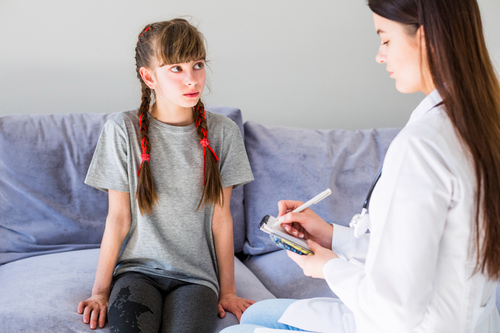
School is a time when things come to light. Learning and attention differences are probably the most common Neurofibromatosis type 1 symptoms in children of this age.
- Learning and attention differences: Reading, writing, maths, or focus can be difficult. They are neurological and not a reflection of intelligence or motivation, and respond to educational supports and accommodations. According to the National Institutes of Health, “Problems with academic achievement were present in 52% of children with Neurofibromatosis Type 1.”
- Lisch nodules: Small, benign pigmented growths on the iris that can be seen only by a specialist eye doctor; they are asymptomatic but serve as a diagnostic clue
- Optic gliomas: Slow-growing tumours on the optic nerve that can cause vision problems. They may grow towards the hypothalamus and alter hormone secretion, leading to early puberty.
- Neurofibromas of the skin are starting to develop: benign tumours on or under the skin, not moles or blemishes, and should be referred to correctly.
- Scoliosis or bone changes: May be present or become evident as a child gets taller.
These are the types of things that are monitored and picked up during regular visits to the NF specialist.
How Can Neurofibromatosis Type 1 Symptoms Change During the Teen Years?

During puberty, hormones start changing, and that can affect the presentation of Neurofibromatosis. This period doesn’t need to be feared any more than others, but it is important to be aware of it.
- Growth of cutaneous neurofibromas: benign tumours of the nerves on the skin increase in number and size during puberty; this is one of the more easily recognized changes for families
- Increase in plexiform neurofibromas: These tumours are deeper, grow along nerves, and can cause functional impairment, depending on their location.
- Pain: Some teenagers develop pain related to the location and/or growth of the tumours; if the pain is increasing or persistent, consult a specialist
- Psychosocial issues: Visible neurofibromas can result in peer misconceptions. There is a stigma associated with a lack of awareness of Neurofibromatosis, and adolescents benefit from both education and support.
Teenagers can get through this period with the support of a specialist team and a supportive community.
Which Neurofibromatosis Type 1 Symptoms Should Parents Never Ignore?
Most signs are managed through routine surveillance, but some require urgent investigation.
- A known tumour enlarging rapidly, or a new lump growing in a short time
- A tumour becomes fixed or a new visible plexiform growth over several weeks or months.
- Pain in a tumour area, especially at rest or when lying down
- New pain and new growth together – this is more concerning.
- New nerve symptoms: weakness, numbness, trouble walking, falling, bowel or bladder issues
- Changes in how they see, eye turning in or out, or bulging of the eye
If you notice any of these, call your child’s NF clinic, genetics clinic, or your general doctor right away and explain the change.
What Should Parents Do If They Notice Possible Neurofibromatosis Type 1 Symptoms?

Worrying about something with your child when you don’t know what to do is a difficult part of parenting. The doubt, the burden of carrying it—that weight is real. But there are things you can do.
- See your child’s doctor or your family doctor first. Clearly describe what you have seen: where, when, and whether it has changed. Ask if it’s time for a referral to a genetics specialist or NF clinic.
- Make a basic record. Date and time-stamp your observations and photos on your mobile phone; this can be more helpful than you might think: it helps doctors understand how things are progressing.
- Be selective. Not everything you find on the internet is relevant to your child. Reputable NF charities and peer-reviewed resources are the best place to start.
- Get involved with NFON: We are a volunteer-run charity offering support to Ontario families with Neurofibromatosis. We provide family support groups, family camp weekends, educational information, and medical referrals.
We are here to support you, whether you’ve just been diagnosed or have been living with it for years.
Conclusion
There are aspects of raising a child with Neurofibromatosis that others may not fully understand. The appointments, the checkups, the explanations—it’s a lot.
But you don’t have to do it alone. We are here to provide more than resources—we are here to provide support. Contact us today to join the mailing list, become a member, or reach out. Always work closely with an NF specialist for guidance tailored to your child.
FAQs:
When do Neurofibromatosis type 1 symptoms usually appear in children?
The symptoms may be present at birth (café-au-lait spots and bowing of the shins are examples) and may also develop throughout childhood and adolescence. There’s no single age of onset, which is why we need to keep an eye on all ages.
Can you have Neurofibromatosis type 1 with no symptoms?
Yes. Partly, some people have mild symptoms and may not be diagnosed for many years, sometimes not until a child is diagnosed. There is considerable variability, even among family members.
How do Neurofibromatosis type 1 symptoms change as a child grows?
Initial symptoms are often skin lesions in infancy and toddlerhood. School-age issues may include learning difficulties. Neurofibromas on the skin are likely to grow during puberty. Developmental stages may bring new findings, so it’s important to have regular specialist follow-up during childhood.
When should parents ask a doctor about possible Neurofibromatosis type 1 symptoms?
If you notice six or more café-au-lait spots, freckling in unusual places, vision changes, learning problems, or any of the warning signs described in this article, talk to your child’s doctor.