Programs & Services
Home »
Neurofibromatosis Ontario Information, Programs and Educational Brochures
Explore our collection of downloadable, print ready brochures that provide information about Neurofibromatosis as well as details to the programs, services and supports offered through our organization.
- Clinicians Guide In Neurofibromatosis
- Neurofibromatosis
- Neurofibromatosis Support Groups
- Neurofibromatosis Family Camp Weekend
Clinician's Guide to Neurofibromatosis
Recognition, Surveillance, Referral Pathway and Primary Care Management
Neurofibromatosis is a complex, multi-system progressive disorder. Clinical features vary widely, with individuals experiencing symptoms that range from very mild to severe.
This guide helps clinicians identify and manage features of Neurofibromatosis including Neurofibromatosis Type 1, Neurofibromatosis Type 2-related schwannomatosis, and schwannomatosis. Referral to a NF-specialty clinic is recommended whenever available. Where no NF clinic exists, these recommendations support primary care monitoring and referral.
1. Recognizing Neurofibromatosis in Primary Care
No single individual exhibits the full range of Neurofibromatosis features; presentation varies widely.
Skin & Pigmentary Findings
- ≥6 café-au-lait macules (most common) (5 mm prepubertal, 15 mm postpubertal) in the absence of another diagnosis
- Axillary or inguinal freckling (most common)
- ≥2 cutaneous (soft, skin-coloured papules or nodules arising from small peripheral nerves in the dermis) or subcutaneous neurofibromas (firmer, deeper nodules located beneath the skin and may be tender to palpation) OR
- One plexiform neurofibroma (complex nerve-sheath tumour: soft, spreading masses that feel like a cluster of twisted cords on examination)
Ophthalmologic Features
- Reduced vision, proptosis, strabismus
- Visual field changes
- 2 or more Lisch nodules (rare <5 years) or 2 or more choroidal abnormalities
- Optic pathway glioma (OPG) (NF1)
- Cataracts in childhood (NF2 feature)
Hearing
- Progressive hearing loss, tinnitus, balance issues (consider NF2-related schwannomatosis)
Neurologic Features
- Persistent or progressive headaches
- Seizures
- Focal deficits
- Ataxia or gait changes
- Neuropathic pain or weakness near a lesion
Skeletal Findings
- Early-onset or atypical scoliosis
- Long-bone bowing / tibial dysplasia / suspected tibial pseudoarthrosis
- Craniofacial asymmetry
- Sphenoid wing dysplasia
Developmental Features
- Speech delay, verbal apraxia, articulation difficulties
- Learning disabilities
- ADHD features
- Autism spectrum traits
- Large head circumference
- Short stature
- Fine and gross-motor coordination difficulties
Family History
- First-degree relative with Neurofibromatosis or similar manifestations
- Approximately 50% of individuals diagnosed with Neurofibromatosis develop the condition due to a spontaneous (de novo) mutation with no prior family history
2. Initial Work-Up in Primary Care
Physical Exam
- Full skin examination (café-au-lait, presence of neurofibroma, plexiform neurofibroma)
- Vision concerns or ocular asymmetry
- Neurologic exam
- Spine alignment
- Long-bone alignment
- Growth parameters (height, weight, head circumference)
- Blood pressure (pheochromocytoma risk increases with age)
Baseline Investigations (Suggested Panel)
- CBC
- CMP / electrolytes / renal function, LFTs
- Glucose
- Protein
- TSH
- Vitamin D (25-OH): deficiency is common
- Calcium & phosphate
- ESR/CRP if pain or inflammation reported
- 24-hour urine metanephrines (to rule out pheochromocytoma when indicated: hypertension, tachycardia, sweating, episodic headaches)
3. Imaging
MRI is preferred for evaluation of brain, spine, and plexiform tumours. MRI provides superior visualization of nerve-sheath tumours and the optic pathway without radiation exposure.
CT Scans: Use Cautiously
- CT involves ionising radiation.
- With repeated CT exposure, there is an increased long-term risk of leukemia and brain tumours.
- CT should be used only when MRI is unavailable, contraindicated, or required for acute/emergent care.
- Use lowest radiation dose possible.
Gadolinium Contrast in MRI
- Evidence of gadolinium accumulation in the brain and other tissues after repeated contrast exposure.
- No direct proven clinical harm to date, but long-term effects remain uncertain.
- Risk for nephrogenic systemic fibrosis (NSF) in patients with significant renal impairment.
Use gadolinium only when the diagnostic benefit outweighs the theoretical risk.
4. Referral Pathway by Specialty
A negative genetic test does not rule out Neurofibromatosis if clinical features are present.
If available, refer to Adult or Paediatric Neurofibromatosis Specialty Clinic for initial evaluation, development, and coordinated surveillance. If no Neurofibromatosis clinic is accessible, refer children to Paediatrics and adults to specialty care if clinically indicated.
Medical Genetics / Genetic Counselling
- Confirm diagnosis (Neurofibromatosis Type 1, Neurofibromatosis Type 2-related schwannomatosis, schwannomatosis)
- Genetic counselling
- Variant interpretation
- Family planning (when applicable)
Clinical features remain the primary basis for diagnosing Neurofibromatosis. Genetic testing can support diagnosis but may not always fully confirm Neurofibromatosis, particularly in cases involving de novo mutations or variants that current testing methods may not detect.
Ophthalmology / Neuro-Ophthalmology
- All children with suspected or confirmed NF1 (baseline + early childhood annual exams)
- Assess for Optic Pathway Glioma (NF1)
- Visual decline, strabismus, proptosis
- Orbital tumours
- Sphenoid dysplasia involving the orbit
- Cataracts in children (NF2-related schwannomatosis)
Optic pathway gliomas may impair hormonal regulation if they extend to or compress the hypothalamus. This can result in endocrine complications, including precocious puberty, growth hormone deficiency, altered appetite, temperature dysregulation, and sleep disturbances. (Refer to endocrinology if indicated.)
Dermatology / Plastic Surgery
- Symptomatic, painful, or rapidly changing neurofibromas
- Cosmetic concerns
- Identifies benign vs malignant changes of neurofibromas and superficial plexiform
Neurology / Neurosurgery
- Seizures
- Progressive headaches
- Focal neurologic deficits
- Suspected CNS tumours
- Symptomatic plexiform lesions affecting nerves or spine
- Increased pain
Urgent Evaluation / MRI Required For
- Rapidly enlarging mass
- New neurologic deficits
- Persistent or rapidly worsening pain
- New asymmetric weakness
- Acute vision change
- New bowel/bladder dysfunction
Orthopaedics
- Scoliosis (early or rapidly progressing curves)
- Long-bone bowing / tibial dysplasia
- Suspected pseudoarthrosis
- Craniofacial or sphenoid bone abnormalities (joint care with Ophthalmology/Neurosurgery)
- Recurrent or low-energy fractures → consider endocrine/metabolic bone referral
Endocrinology & Metabolic Bone
- Precocious puberty
- Growth abnormalities
- Vitamin D deficiency and low bone mineral density
- Osteopenia / osteoporosis
- Fracture risk
- Hormonal drivers of bone fragility
- Assess for pheochromocytoma when symptomatic: hypertension, sweating, tachycardia, episodic headaches
Oncology
- Rapidly enlarging, firm, or newly painful masses
- Concern for MPNST
- Symptomatic optic glioma or other CNS tumours
- Suspected Neurofibromatosis-associated malignancies
- Complex nerve-sheath tumours (plexiform neurofibromas)
- Monitoring concerning changes suggesting malignant peripheral nerve sheath tumour (MPNST); may require Neurosurgery
5. Ongoing Role of Primary Care Clinician
Coordinating Care
- Genetic Counselling / Medical Genetics
- Paediatrics (for ages 0–17)
- Dermatology / Plastic Surgery
- Ophthalmology
- Neurology / Neurosurgery
- Orthopaedics
- Endocrinology
- Oncology
- Psychology / Mental Health
- High-Risk Breast Screening Clinic (for NF1 women)
Long-Term Monitoring and Surveillance Checklist
- Annual BP (children: every 6 months)
- Growth, development, head circumference
- Motor coordination; PT/OT needs
- School performance & learning concerns
- Pain, functional changes, or change in size/texture of masses. Pain that seems disproportionate or deeply located may suggest plexiform neurofibroma.
- Vitamin D status & bone health monitoring
- Hearing & balance (NF2-related schwannomatosis)
- Vision screening annually in children
- Mental health screening
- Breast cancer risk discussion (start annual MRI screening at age 30 in NF1 patients; mammography if MRI access is limited)
- MRI imaging based on symptoms:
- Plexiform neurofibromas: every 6–12 months if growing
- Plexiform neurofibromas: every 1–3 years if stable
- Known Optic Pathway Glioma: every 3 months → every 6 months → yearly (if stable)
- Whole-Body MRI: every 2–3 years in selected patients
- Suspected Malignant Peripheral Nerve Sheath Tumour: urgent MRI + diffusion
6. MRI Indications
Non-contrast MRI first; gadolinium when clinical benefit outweighs theoretical risk.
MRI Indications
- Progressive neurologic symptoms
- New vision changes
- New or enlarging mass
- Persistent deep or night pain
- Change in tumour texture
- Suspected spinal cord compression
- Rapid scoliosis progression
- Suspicion for Optic Pathway Glioma
MRI Not Routinely Indicated For
- Stable cutaneous neurofibromas
- Asymptomatic individuals without concerning features
- Learning disability alone
- Stable mild headaches
Red Flags for Malignant Peripheral Nerve Sheath Tumour (MPNST) Findings
- New persistent deep pain
- Night pain
- Firmness or change in texture of a known plexiform
- Neurologic deficit near lesion
- Rapid growth
7. Citations
Gadolinium & MRI Safety
- Costa, A. F., et al. (2018). Gadolinium deposition in the brain: Policy statement. CARJ, 69, 373–382.
- Gulani, V., et al. (2017). Gadolinium deposition: Summary of evidence. Radiology, 285, 1054–1056.
- Murata, N., et al. (2016). Gadolinium tissue deposition. Magnetic Resonance Imaging, 34, 1394–1400.
CT Radiation Exposure & Cancer Risk
- Pearce, M. S., et al. (2012). CT in childhood & later cancer risk. Lancet, 380, 499–505.
- Mathews, J. D., et al. (2013). Cancer risk after CT in youth. BMJ, 346, f2360.
- Brenner, D. J., & Hall, E. J. (2001). Cancer risk from pediatric CT. AJR, 176, 289–296.
Bone Health & Vitamin D in NF1
- Stevenson, D. A., et al. (2007). Bone mineral density in NF1. J Pediatr, 150, 83–88.
- Lammert, M., et al. (2006). Vitamin D deficiency & neurofibroma burden. J Med Genet, 43, 810–813.
- Brunetti-Pierri, N., et al. (2008). Metabolic bone disease in NF1. Bone, 43, 678–683.
Breast Cancer & General Cancer Risk in NF1
- Seminog, O. O., & Goldacre, M. J. (2015). Breast cancer risk in NF1. BJC, 112, 1546–1549.
- Uusitalo, E., et al. (2016). Cancer associations in NF1. JCO, 34, 1978–1986.
- Evans, D. G. R., et al. (2020). Breast cancer outcomes in NF1. Genet Med, 22, 398–406.
General NF Resources
- Legius, E., et al. (2021). Revised NF1 diagnostic criteria. Genet Med, 23, 1506–1513.
- Jett, K., & Friedman, J. M. (2010). NF1 clinical review. Genet Med, 12, 1–11.
- Friedman et al. (2022). Health supervision for children with NF1. Pediatrics.
Disclaimer: This brochure is for general guidance only. It does not replace clinical judgment. Surveillance and imaging should be determined according to each patient's individual needs.
Copyright: Neurofibromatosis Society of Ontario
Neurofibromatosis Society of Ontario
Awareness • Education • Advocacy • Research • Support

What is Neurofibromatosis?
Neurofibromatosis can occur in any family — including yours. It is a group of three distinct genetic conditions that cause tumors to grow along nerves in the body. These conditions can affect the skin, brain, bones, and other organs. Neurofibromatosis is a complex multisystem disorder that can vary greatly in how it appears from person to person.
Neurofibromatosis can be inherited from a parent, as it does not skip generations - it can be passed from grandparent to parent to child. A parent with Neurofibromatosis has a 50% (one in two) chance of passing the condition on to each child. In approximately 30 to 50 percent of cases, Neurofibromatosis occurs spontaneously, meaning the genetic change happens for the first time in that person. This spontaneous mutation usually occurs in the egg, sperm, or very early embryo. Even without a previous family history, the individual with a new (spontaneous) mutation can then pass Neurofibromatosis on to their own children.

Neurofibromatosis Type 1 (NF1)
Neurofibromatosis Type 1 is the most common form, occurring in about 1 in 2,500 people. It is caused by a change in the NF1 gene on chromosome 17, which produces a protein called neurofibromin. Common signs include café-au-lait spots (light brown skin patches), freckling in the armpit or groin, tumors on or under the skin, and Lisch nodules (tiny growths on the iris of the eye). Some individuals may develop optic gliomas, which are tumors on the optic nerve that can lead to vision loss. In some cases, it can cause bone deformities, learning differences, or other medical complications. Although most people with Neurofibromatosis Type 1 can lead healthy and productive lives, complications can occur and require medical management. Neurofibromatosis Type 1 is a complex, multisystem condition that can vary widely between individuals – even within the same family.
Neurofibromatosis Type 2 (NF2-Related Schwannomatosis)
Previously known as Neurofibromatosis Type 2, this condition is caused by a change in the NF2 gene on chromosome 22, which produces a protein called merlin. Individuals typically develop tumors on the nerves responsible for hearing and balance (vestibular schwannomas), which may cause hearing loss, ringing in the ears, or problems with balance. Tumors may also occur on other nerves in the brain or spinal cord. Neurofibromatosis Type 2 is a complex disorder that can lead to significant medical complications and requires ongoing care.
Schwannomatosis
Schwannomatosis is genetically distinct from Neurofibromatosis Type 1 and Type 2. It involves changes in genes such as SMARCB1 or LZTR1. This condition is characterized by multiple schwannomas (tumors of the nerve sheath) throughout the body, but usually without involvement of the vestibular nerve. Chronic pain is a common symptom, and diagnosis often requires genetic testing to distinguish it from other forms of Neurofibromatosis.
Monitoring is vital for individuals with Neurofibromatosis. There is an increased risk for certain complications and malignancies, although many people with Neurofibromatosis do not experience these issues. Regular medical follow-up allows early detection and management of any changes that may occur.
While there is currently no cure for Neurofibromatosis, ongoing research continues to improve understanding, management, and treatment options. Early diagnosis and consistent care can help individuals maintain the best possible quality of life.
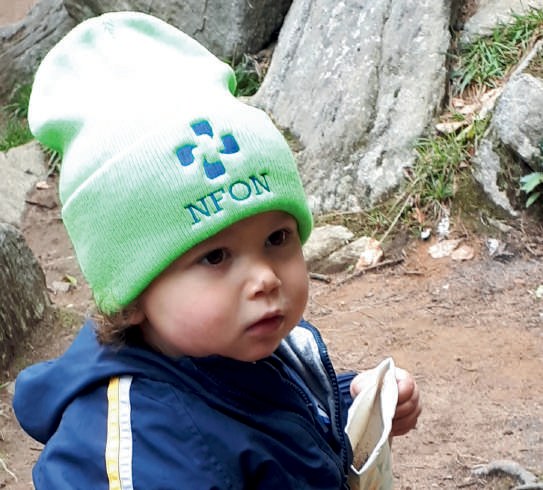
Annual Events
Each year, the Neurofibromatosis Society of Ontario hosts two major events that bring together families, medical experts, and advocates from across the province:
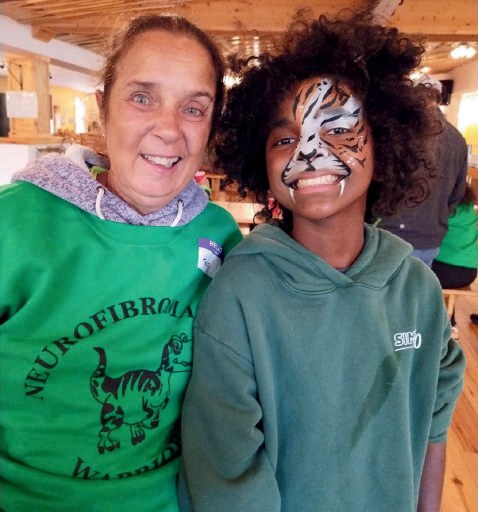
The Neurofibromatosis Family Camp Weekend – a fun, inclusive retreat where families affected by Neurofibromatosis can relax, connect, and build lifelong friendships in a supportive environment.
The Neurofibromatosis Forum – an educational event featuring medical professionals, researchers, and community speakers who share the latest in Neurofibromatosis research, treatments, and lived experiences.
Membership
Becoming a member of the Neurofibromatosis Society of Ontario means joining a compassionate community that understands the challenges of living with Neurofibromatosis. Members receive updates on educational events, research news, and opportunities to connect with others across the province.
Volunteer-Driven Commitment
Our organization is powered by volunteers — people who give their time, expertise, and energy to make a difference. Every donation and membership directly supports our mission to promote awareness, provide support, and fund research for Neurofibromatosis.
Together, we bring hope, knowledge, and strength to the Neurofibromatosis community.

We Provide
- Parent and peer support groups facilitated by trained volunteers and professionals.
- Educational resources and public awareness initiatives about Neurofibromatosis.
- Community events and family networking opportunities across Ontario.
- Support for research to improve diagnosis, treatment, and quality of life for individuals affected by Neurofibromatosis.
- Information sharing to help newly diagnosed families find guidance and connection.
- Advocacy for better care, access to services, and awareness of Neurofibromatosis in schools, workplaces, and healthcare settings.
Neurofibromatosis Society of Ontario
Registration Number: 119053775RR0001
135 Parsons Lane
Huntsville, Ontario
P1H 2N5
Phone: (905) 683-0811
1-866-843-6376
Email: info@nfon.ca

Neurofibromatosis Support Groups
Neurofibromatosis Ontario offers ongoing virtual support groups facilitated by registered social workers who bring both professional expertise and lived experience supporting loved ones with Neurofibromatosis.
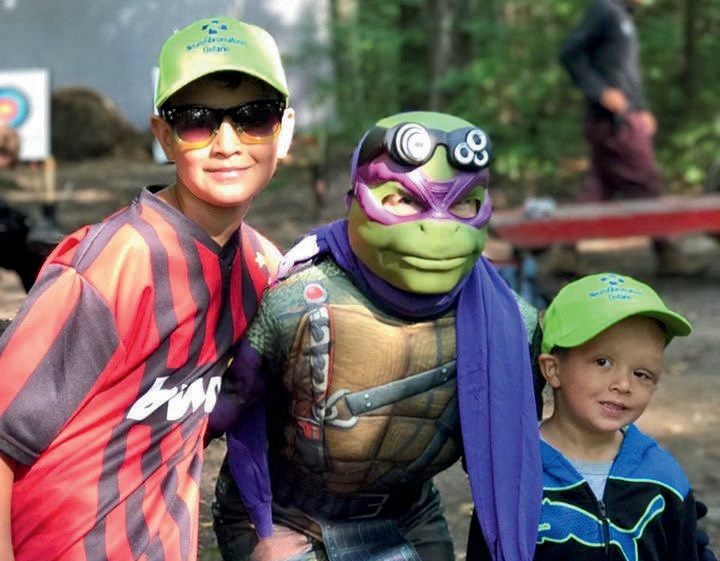
Parent & Caregiver Support Groups
These groups are for parents and caregivers raising or supporting a child or loved one with a Neurofibromatosis diagnosis.
The purpose of the group is to provide a supportive space to:
- Share experiences and learn from others
- Feel heard, validated, and encouraged
- Build confidence in navigating the challenges of caring for someone with Neurofibromatosis
Common topics include:
- Navigating medical systems, school systems, and advocacy
- Understanding new advances in Neurofibromatosis research
- Talking with your child or loved one about their diagnosis in a developmentally appropriate way
- Supporting your own wellbeing and mental health as a caregiver
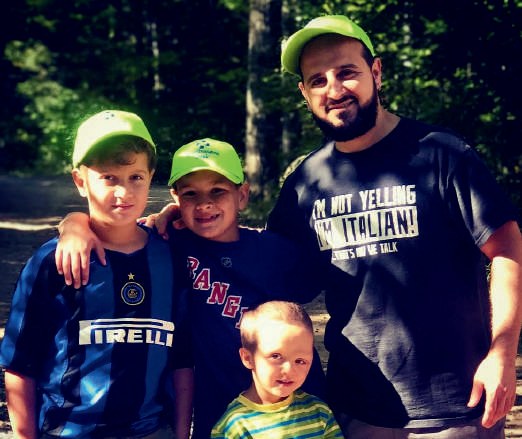
Peer Support Groups (Adults 18+)
These groups are for adults living with a Neurofibromatosis diagnosis who wish to connect with peers and gain a sense of community and social support.
The groups focus on:
- Sharing experiences and challenges associated with living with Neurofibromatosis
- Navigating social interactions, medical systems, academic environments, and employment
- Learning about new physicians, clinics, treatments, and resources
- Developing strategies for communicating your needs and advocating for yourself
- Supporting your mental health and overall wellbeing
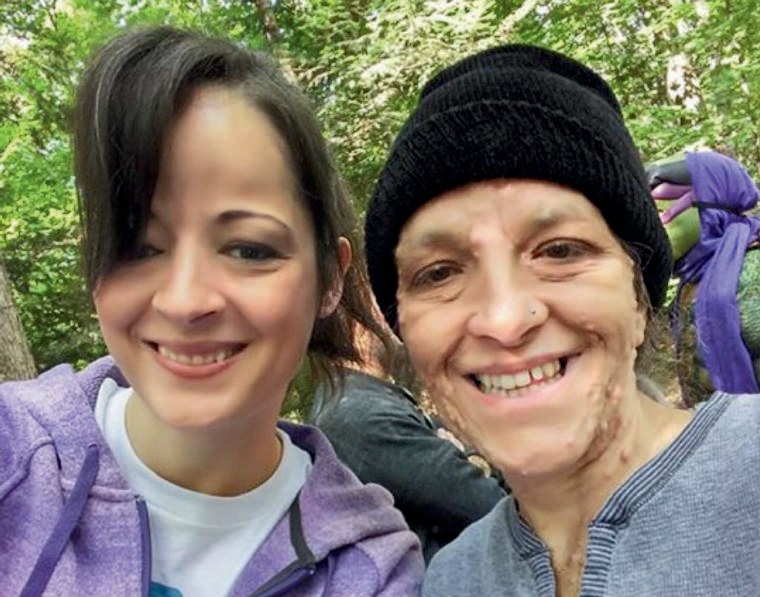
Invitation
We invite you to reach out with any questions or to learn more about how these groups can support you. You are not alone—our community is here to walk alongside you.
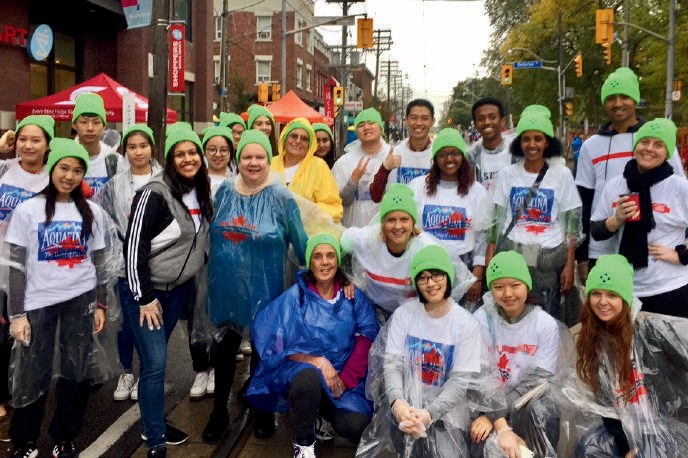
Our support groups meet virtually once a month.
Join us to connect, share, and support one another.
- Register using the QR code, or email nfcaregroups@gmail.com
Neurofibromatosis Society of Ontario
Registration Number: 119053775RR0001
135 Parsons Lane
Huntsville, Ontario
P1H 2N5Phone: (905) 683-0811
1-866-843-6376Email: info@nfon.ca

Neurofibromatosis Society of Ontario
Family Camp Weekend
Takes Place Every September

About Family Camp Weekend
Life with Neurofibromatosis can be challenging and sometimes lonely.
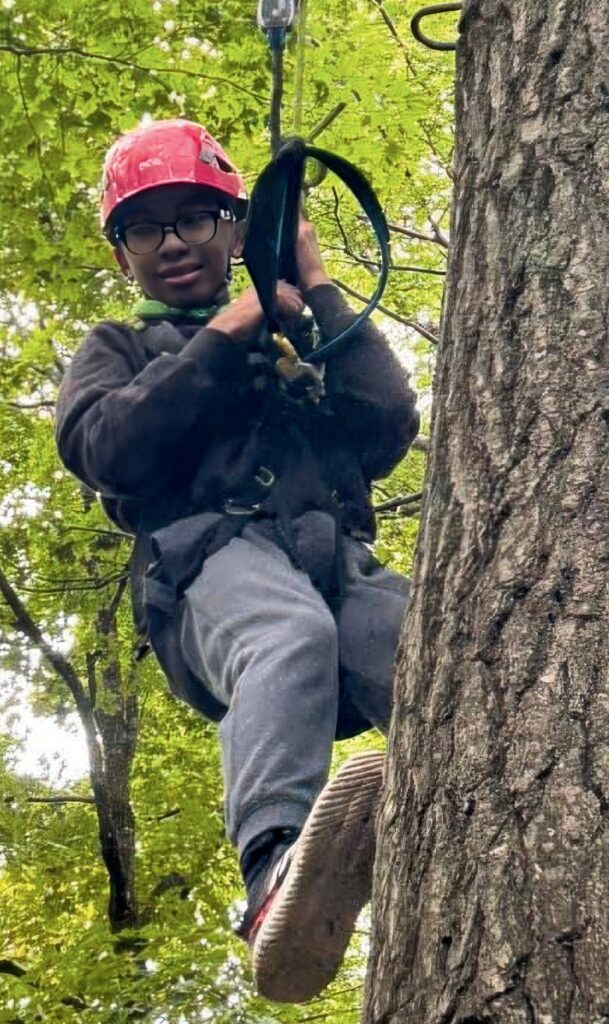
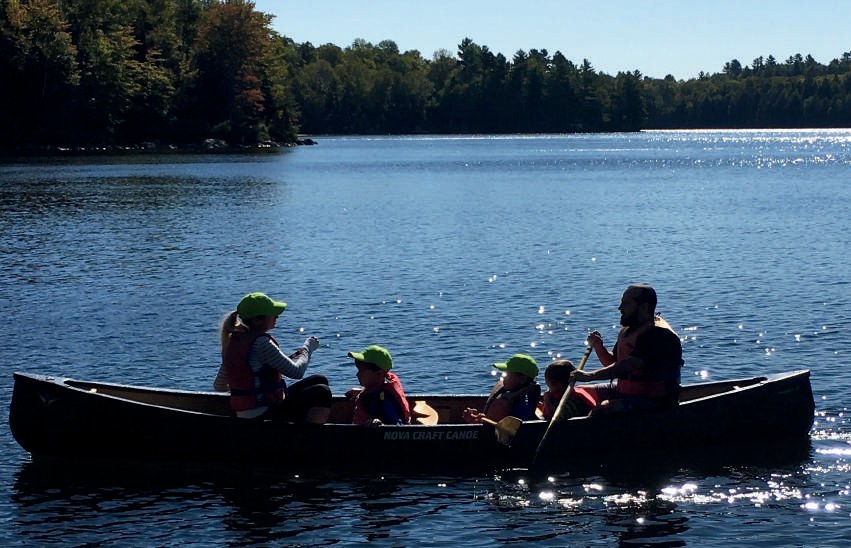
Neurofibromatosis Family Camp Weekend creates a space where people and families touched by Neurofibromatosis come together in a welcoming, structured setting. Through shared stories and experiences, participants find connection and feel less alone.
Each September, on the weekend after Labour Day, individuals and families can take a break from daily life, meet others who truly get what living with Neurofibromatosis means, and take part in activities built on respect, compassion, and community support.

What to Expect
Neurofibromatosis Family Camp Weekend offers a thoughtful blend of fun activities, social time, and relaxation for everyone.
You can look forward to:
- Meeting people and families of all ages affected by Neurofibromatosis
- Recreational and group activities
- Quiet time to unwind and chat informally
- Peer and Parent Support Group sessions (attendance completely optional)
- A warm, inclusive camp atmosphere
The schedule is deliberately flexible so individuals and families can engage in whatever way feels right for them.

Who Can Attend?
The Neurofibromatosis Family Camp Weekend
Warmly Welcomes
- Children, teens, and adults of any age living with Neurofibromatosis
- Parents, caregivers, and partners
- Siblings, family members, or close friends offering support
Our programming reflects the wide-ranging needs and experiences within the Neurofibromatosis community.
Full Sponsorship and Transportation Assistance Available
For more information, please email info@nfon.ca
Registration Number: 119053775RR0001